
Strategies to Navigate through Wedding Flowers Tariffs and Save Money
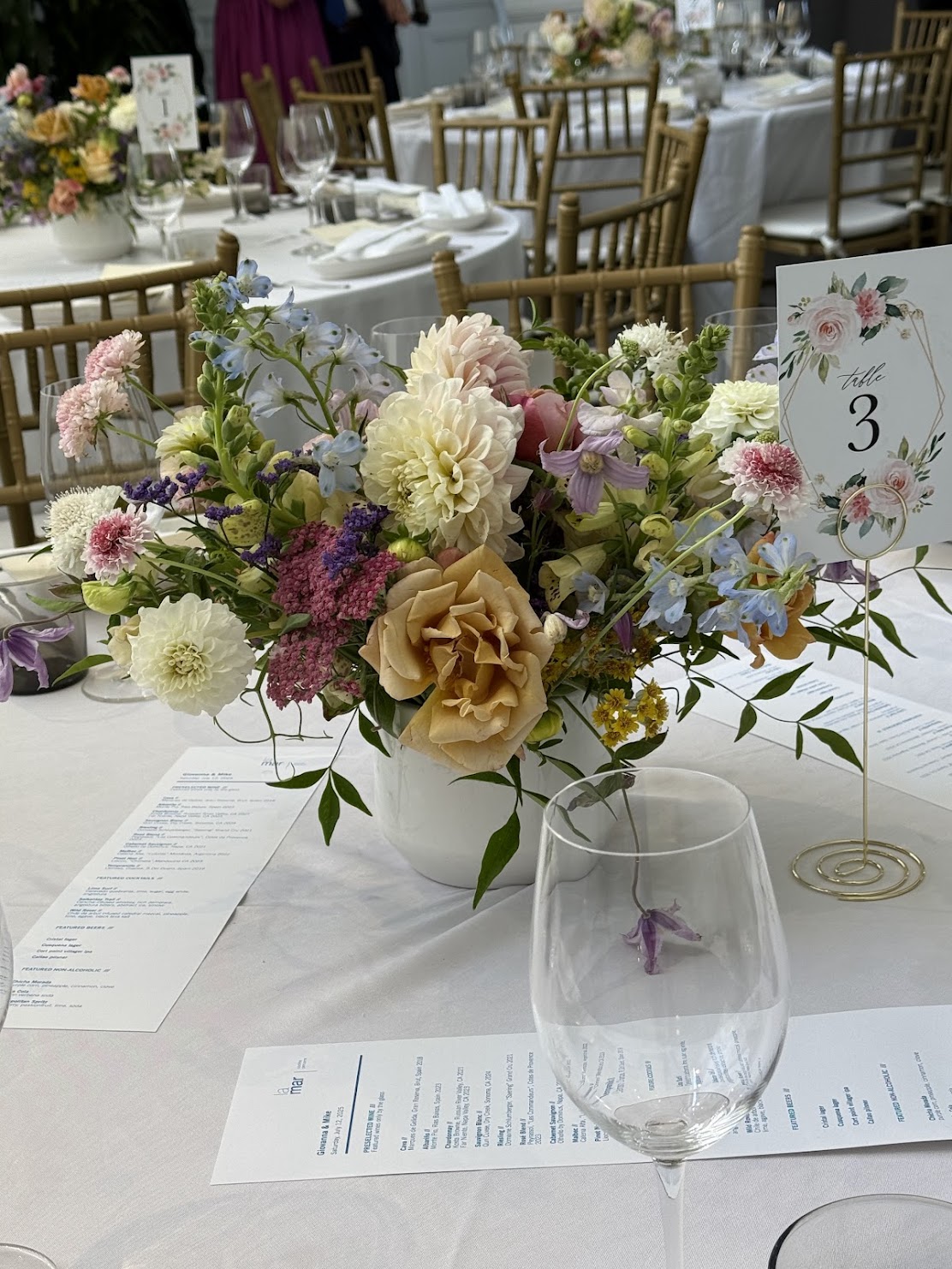
Alternative flower choices with minimal tariff impact
Look, those fancy imported roses are gorgeous, but they’ll cost you an arm and a leg in 2025 thanks to these new tariffs. But here’s the good news – plenty of stunning alternatives are flying under the tariff radar.
Native blooms are your best friend right now. They’re locally grown, which means no international shipping fees or tariff headaches. Plus, they’re already adapted to your climate, so they’ll look fresh longer.
Greenery is another smart move. Eucalyptus, ferns, and ivy can fill out arrangements for a fraction of the cost of premium blooms. And honestly? That lush, garden-inspired look is totally on trend.
Consider these wedding flower tariff-friendly options:
- Blooms from locally sourced flower farms
- Dahlias and zinnias (gorgeous in summer/fall)
- Sunflowers (perfect for rustic vibes)
- Chrysanthemums (available in practically every color)
- Wildflower mixes (for that effortless, romantic feel)
Repurposing ceremony flowers for reception decor
Who says those ceremony arrangements get to shine for just 30 minutes? Double their duty!
Have your wedding party or coordinator move your ceremony flowers to the reception while you’re taking photos. Altar arrangements can transform into statement pieces for your sweetheart table. Those aisle markers? Perfect for the bar or buffet tables.
Just tell your florist the plan upfront. They’ll create arrangements that:
- Are easily transportable
- Work in multiple settings
- Won’t wilt between events
This isn’t being cheap—it’s being smart. You’re getting twice the value and reducing waste.
- Simple bud vase collections
- Loose, garden-style centerpieces
- Greenery garlands
- Flower crowns for flower girls
Working with Florists in the New Tariff Environment
Questions to Ask Your Florist About Wedding Flower Tariff Impacts
The 2025 tariff situation has thrown wedding flower planning into chaos. Don’t walk into your florist consultation unprepared. Here are the questions you absolutely need to ask:
“Which flowers in my inspiration photos are most affected by the tariffs?”
Not all blooms are created equal when it comes to import taxes. Your dream peonies from Holland might now cost double, while local dahlias remain stable.
“What domestic or in-season alternatives would you recommend?”
Smart florists are already pivoting to beautiful local options. They should be able to show you side-by-side comparisons of imported vs. local blooms that achieve a similar aesthetic.
“How are you handling the price volatility with other clients?”
This question reveals how experienced your florist is with the new reality and what creative solutions they’ve developed.
Booking Timelines to Secure Better Pricing
The old rules about when to book your florist? Toss them out the window. The new tariff environment demands a different approach:
12-15 months out: Lock in your florist with a preliminary design plan, but build in flexibility on specific flower varieties.
9-10 months out: Review your contract for price protection clauses (more on this below).
6 months out: This is your sweet spot for finalizing flower selections. Early enough to secure inventory, late enough to have better visibility on pricing trends.
3 months out: Last chance to make substitutions before your florist places final orders.
The wedding couples winning at the flower game in 2025 are those who understand that timing is everything. Book your florist early, but leave specific flower choices flexible until closer to your date.
Negotiation Strategies for Wedding Flower Packages
Gone are the days when you could just hand over a Pinterest board and expect your dream flowers at a predictable price. In 2025, successful couples are becoming savvy negotiators:
Package deals over à la carte: Florists can offer better pricing when you commit to full packages rather than individual items.
Flexibility premium: Offer your florist the freedom to substitute similar blooms based on market conditions, in exchange for price protection.
Understanding New Contract Clauses Related to Price Fluctuations
Wedding flower contracts in 2025 look nothing like they did a few years ago. New clauses you’ll encounter include:
Market adjustment provisions: These allow price adjustments if wholesale costs increase beyond a certain percentage.
Substitution rights: Defining what alternatives your florist can use without additional approval.
Force majeure redefined: These clauses now specifically mention tariffs and trade restrictions as potential disruptors.
Price lock guarantees: Some premium florists offer these for an additional fee, essentially an insurance policy against future price hikes.
When reviewing these clauses, focus on creating boundaries that protect both you and your florist. The goal isn’t to squeeze them on price but to create certainty in an uncertain market.
The shifting landscape of trade tariffs in 2025 presents significant challenges for couples planning their wedding flowers. From understanding how these new tariffs impact imported blooms to working collaboratively with florists who are navigating these changes, today’s couples have several strategies at their disposal. By considering locally-sourced alternatives, embracing seasonal options, and exploring sustainable choices like potted plants or dried arrangements, couples can still create stunning floral displays while managing their budgets effectively.
As you plan your 2025/2026 wedding, remember that communication with your florist will be your greatest asset. Start your floral discussions early, remain flexible about flower varieties, and consider the unique regional trends that may offer beautiful alternatives to traditionally imported blooms. While tariffs may change the wedding flower landscape, they also create opportunities to support local growers, make environmentally conscious choices, and perhaps discover unexpected floral combinations that make your celebration even more memorable and meaningful.